Rescue & sanctuary

Animals who needed somewhere, and people who needed them

Our rescue and sanctuary work isn't a side project. It's the reason a lot of people manage to come here at all.

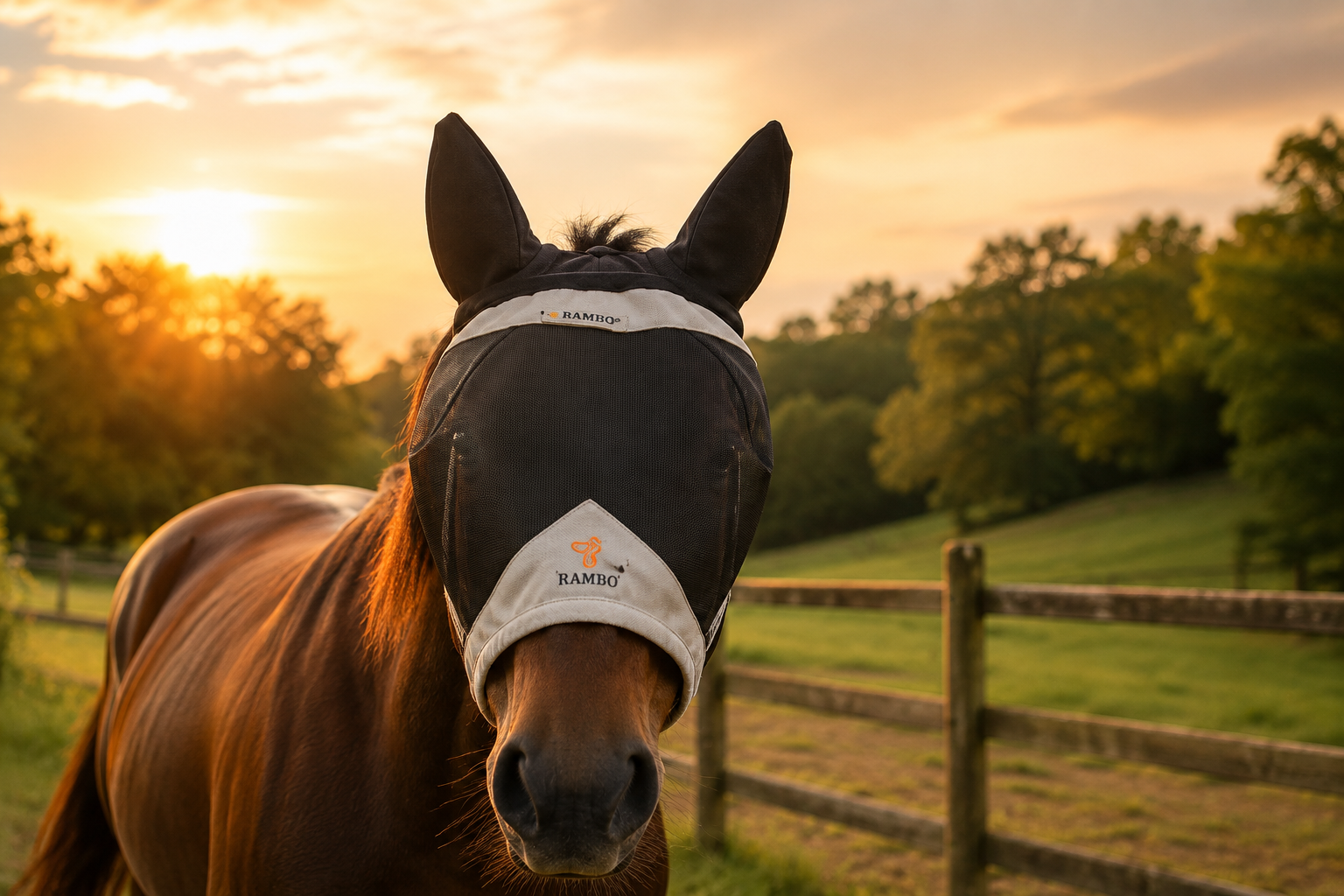
A horse wearing a fly mask in the golden evening light at Model Farm
Professional or social prescribing referral?Referral information

The work

Care first, always

Our farm is home to animals who needed a soft landing. Some came from homes or smallholdings that could no longer meet their needs, some through rescue and rehoming connections, and others because Model Farm could offer an appropriate long-term home.

Some may eventually be rehomed. For others, Wild Mind becomes home. Decisions are based on welfare, capacity and what is right for the individual animal, never on what makes a better photograph.

Before you ask

We cannot automatically accept animals. Our existing animals, available facilities, welfare, capacity and licensing arrangements must always be considered.

Please don't bring an animal to us unannounced, contact us first so we can respond properly.

Animal welfare

Welfare comes before activity

The animals are part of the Wild Minds community, but their welfare always comes first. People may care for them, learn alongside them, contribute towards their environments or simply spend time around them. Any interaction must be appropriate to the individual animal.

  • Welfare-led.
  • Appropriately supervised.
  • Risk assessed.
  • Based on the animal's individual needs.
  • Respectful of the animal's choice and behaviour.

Not every animal is suitable for direct interaction. Some animals may only be observed, or cared for by experienced members of the team.

Meet the animals

Every one has a story

Meet all the animals →
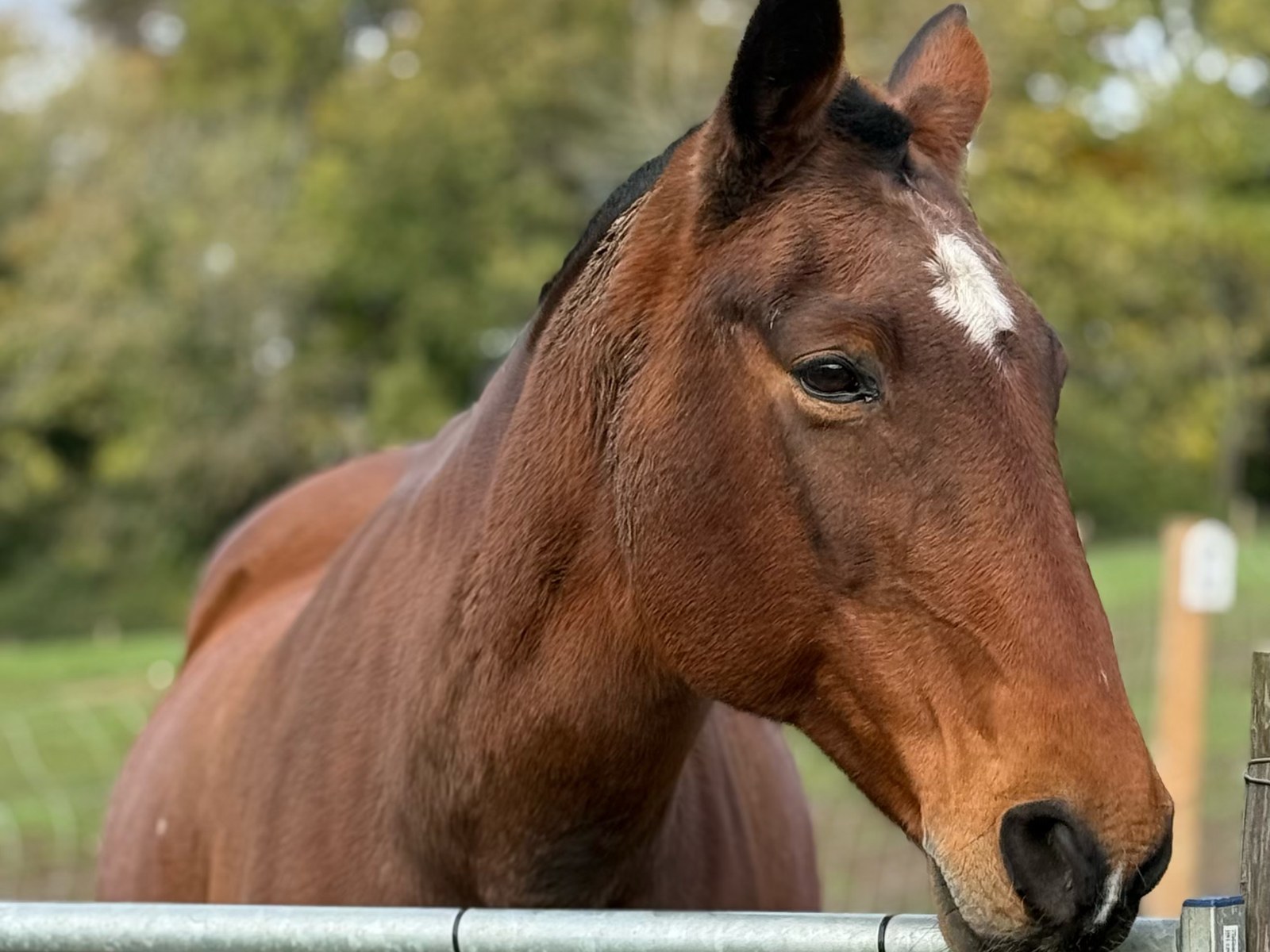
Athena, a bay horse looking over the field gate at Model Farm

Horse

Athena

A beautiful, gentle former polo pony with an exceptionally kind nature. Calm and patient, she particularly enjoys spending time with young people and is often happiest simply being around people, enjoying some attention and company.

Athena has retired from ridden work and spends her days out in the fields at Model Farm with the herd. She is often one of the first to appear at the gate when she spots someone coming.

Athena has some lasting physical issues following her previous life, including a tendency to drag her back toes, so her comfort and wellbeing are carefully monitored and she is no longer ridden. These days, life is deliberately slower. Her role isn't to work or perform, it's to be Athena: grazing with her friends, enjoying human company and showing just how much a calm, kind horse can offer simply by being present.
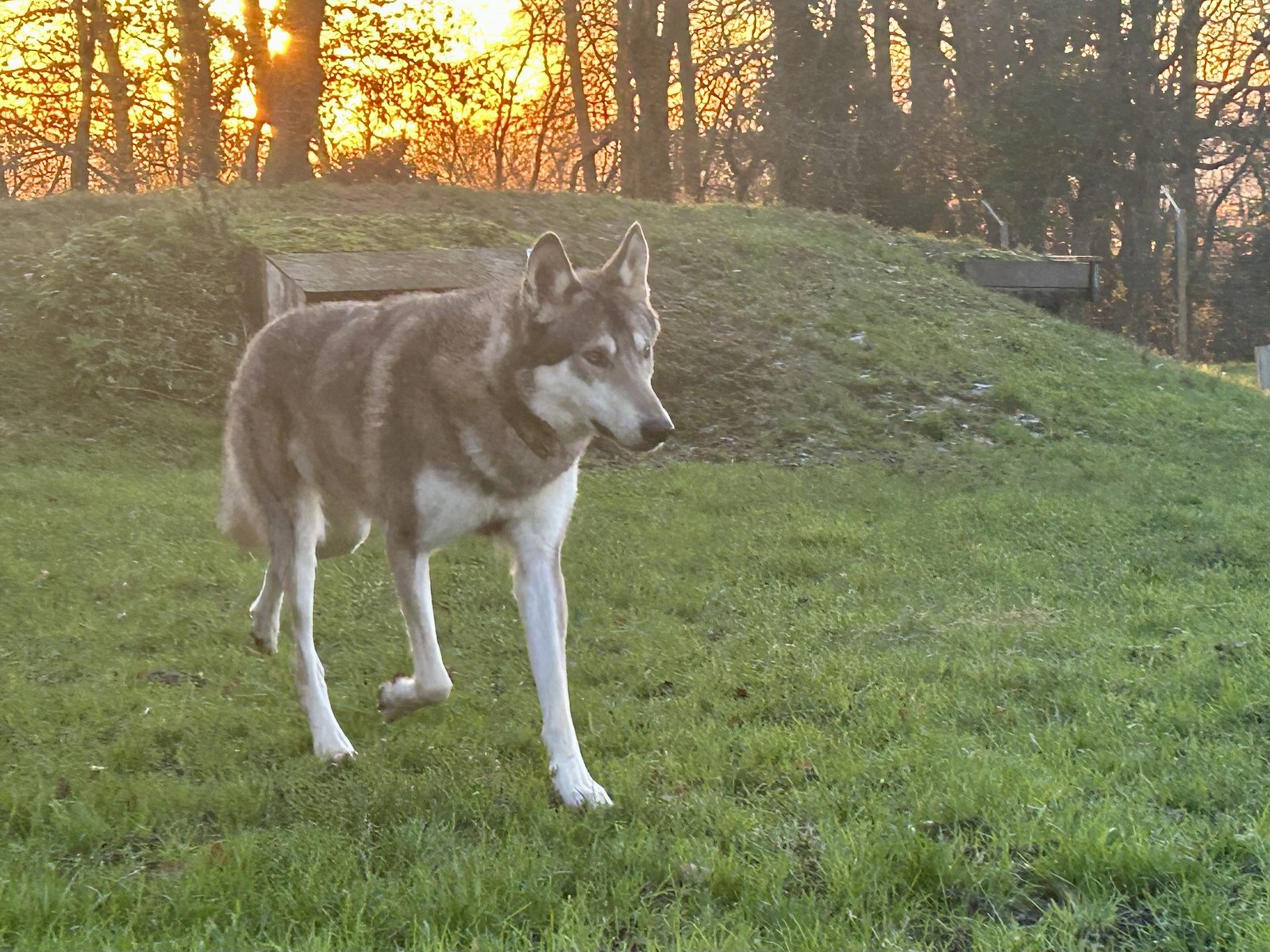
A wolfdog walking across the field at Model Farm at sunset

Wolfdogs

Lupin & Elsa

Depending on the day, you might find them racing around their paddock, resting together in the barn, exploring the farm with their handlers, heading out locally for a walk, or simply curled up on the sofa enjoying a quieter afternoon.

Their presence gives people a fascinating opportunity to learn about wolfdogs while also opening conversations about wolves themselves: their behaviour, their vital role in healthy ecosystems, and the persecution and misunderstanding they continue to face in many parts of the world.

Lupin and Elsa are observation only for visitors and participants. Direct handling, walking and close interaction is reserved for experienced senior handlers who know them well and understand their individual behaviour and needs.

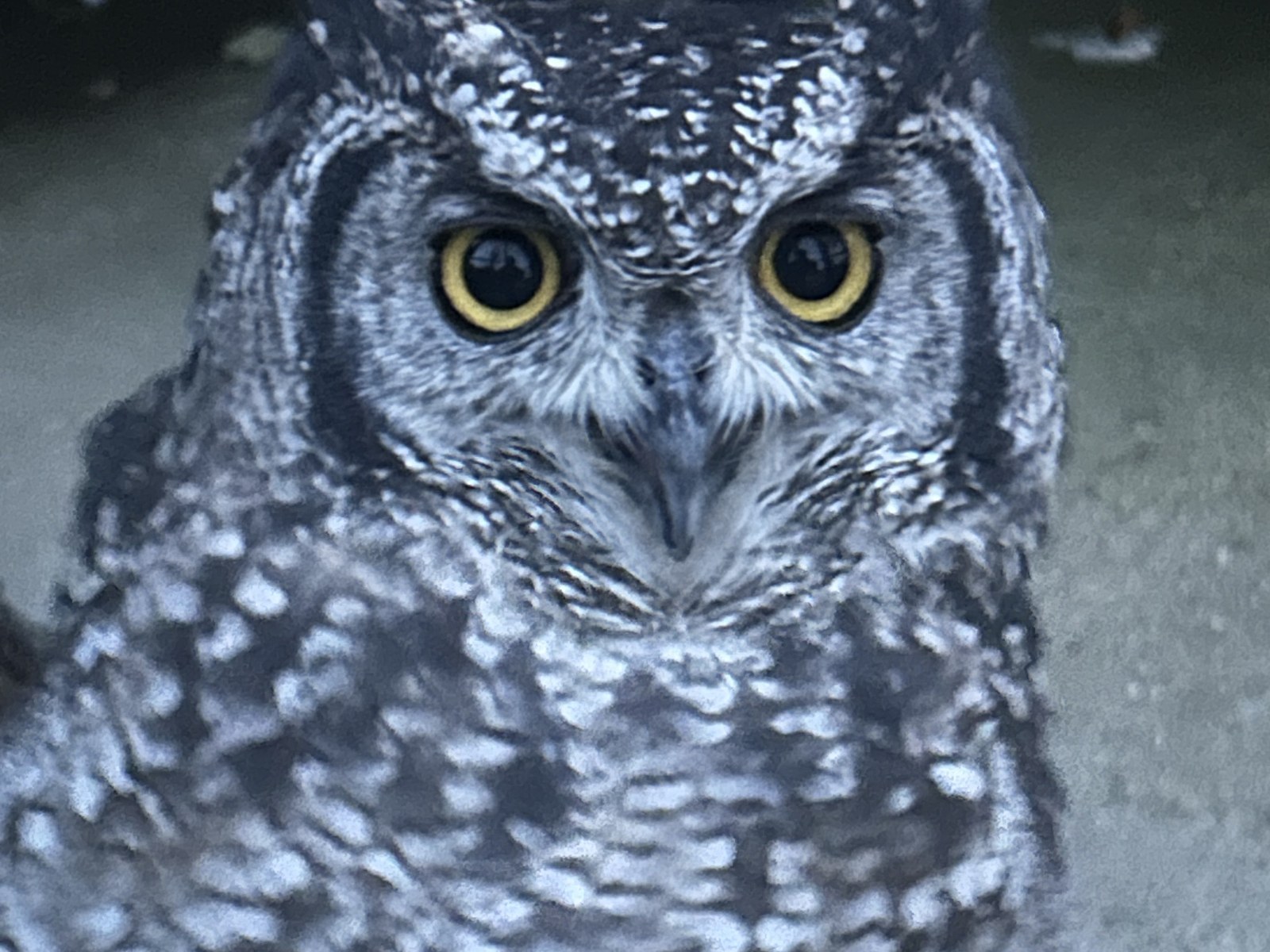
Tamarind, an African spotted eagle-owl at Model Farm

African spotted eagle-owl

Tamarind

Cared for by experienced handlers only. Tamarind is an African spotted eagle-owl, one of the smaller eagle-owl species, found across southern Africa in rocky scrubland, savannah and even around towns and gardens. She has the species' distinctive spotted plumage and bright yellow eyes. Although she isn't native to Britain, she's a wonderful starting point to talk about wildlife, ecosystems and food chains with visiting groups, and about how different species adapt to the places they live.

  • African spotted eagle-owls hunt mostly at night, feeding on insects, small mammals, reptiles and even scorpions.
  • They are one of the smaller eagle-owl species, smaller and more lightly built than the familiar British barn or tawny owl.
  • In the wild they often roost on the ground or on low rocks, relying on their camouflage to stay hidden through the day.
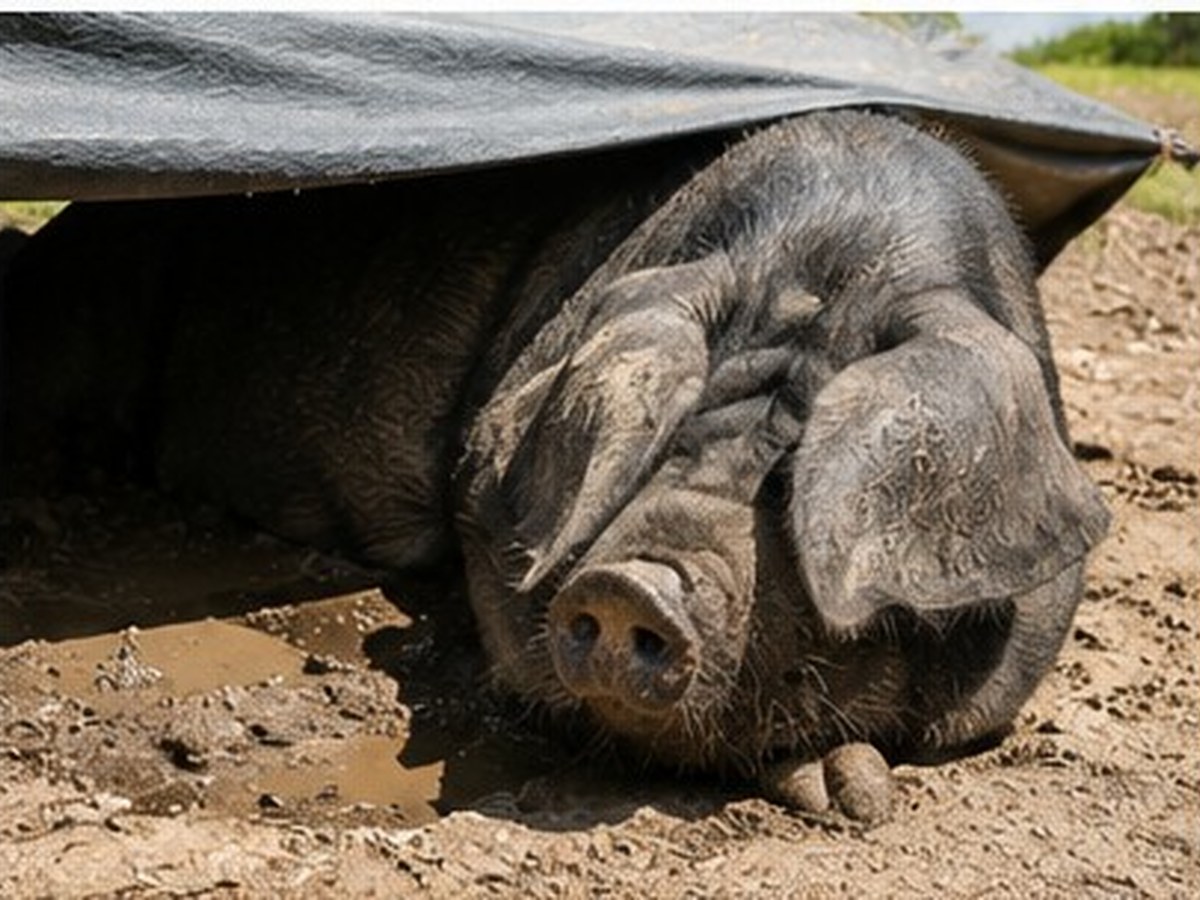
Bernard Roy, a large black pig lying in the shade of his paddock at Model Farm

Large Black pig

Bernard Roy

A Large Black, a native rare breed.

Living in his paddock at the farm, with plenty of space to dig, wallow and sleep. Large Blacks are one of Britain's native rare breed pigs, known for their calm temperament and excellent foraging ability. He was bottle fed after being rolled on by his mum as a tiny piglet, and he prefers to live alone, though he loves human company. He weighs over 50 stone.

People and animals

Sometimes conversation comes easier alongside something else

Some people don't want to sit opposite someone in a room and talk. But put a wheelbarrow in their hands, give them a stable to muck out or something practical to get on with, and conversation can come much more naturally.

Animals don't require small talk. Practical jobs give people something to do alongside one another.

And sometimes having a reason to turn up matters just as much as having somewhere to talk.

Connection • Responsibility • Purpose • Community

Licensing

Licensed animal activities at Model Farm

Animal activities at Model Farm are licensed by Buckinghamshire Council under the Animal Welfare (Licensing of Activities Involving Animals) Regulations 2018 for the keeping or training of animals for exhibition.

Buckinghamshire Council
Animal Activity Licence: LC202602-157410
Licensed activity
Keeping or training animals for exhibition
Licence holder
Camilla China, trading as Wild Minds Pro Ltd
Licensed premises
Model Farm, Flackwell Heath, Buckinghamshire
Licence period
17 June 2026 – 16 June 2029

The wider family

One farm. Shared responsibility.

Model Farm is shared across the wider Wild Minds family.

Wild Mind Well-Being CIC develops the community, rescue, sanctuary, volunteering and social-impact side of the farm.

The animals are also part of the environment at Wild Minds Alternative Provision, operated through Wild Minds Pro Ltd. Young people attending the Alternative Provision can take part in appropriately supervised animal care, land-based learning and practical projects, developing knowledge and practical skills while contributing positively to the animals' daily care and environments.

The organisations have different purposes but share the farm, expertise and a commitment to responsible animal welfare. Across both, care comes first.

Visit Wild Minds Alternative Provision →

Partnership

Working with rescue partners

Alley Cats Rescue

Wild Mind Well-Being CIC works alongside Alley Cats Rescue to provide appropriate fostering opportunities for feral cats. Not every cat is suited to life in a conventional domestic foster home.

For suitable cats, the farm environment may provide space and an alternative fostering setting while their individual needs and longer-term options are considered in collaboration with Alley Cats Rescue.

Alley Cats brings specialist feline rescue knowledge and its wider rescue network; Wild Mind can provide appropriate space, practical support and a farm environment for suitable foster placements.

If you've found a stray cat, need help relating to a cat or colony, want to foster or adopt, or need information about their wider rescue work, please go to Alley Cats Rescue directly.

Visit Alley Cats Rescue →

How to help

Rescue runs on unglamorous things

Feed, bedding, vet bills and someone reliable at 7am in February.

Give your time

There is always practical work involved in caring for a farm and improving the environments our animals live in. Depending on current needs, skills and appropriate supervision, volunteering might involve mucking out, feeding, cleaning, gardening, horticulture, fencing, painting, building, maintenance, preparing animal environments, enrichment projects, woodland work, practical sanctuary projects, administration, fundraising, events or skilled and professional volunteering.

We can't promise every volunteer direct animal contact, it depends on the individual animal, species, experience, activity, risk assessment, supervision and welfare considerations.

Volunteer with us →

Give something useful

Depending on our current needs, useful support may include feed, straw, bedding, appropriate equipment, building materials, fencing materials, enrichment resources, horticultural materials and practical supplies.

Please ask us what we currently need before bringing donations to the farm.

Ask what we need →

Help with the things animals actually need

Animal care comes with real ongoing costs. Support can help us contribute towards veterinary treatment, preventative care, appropriate neutering, dental care, feed, bedding, enrichment, housing, fencing, shelter and environmental improvements.

Corporate impact

Bring a team. Leave something useful behind.

Businesses can support Rescue & Sanctuary through WILD Corporate Impact Days. Rather than a conventional corporate away day, teams can spend time at Model Farm contributing to genuine projects that are already needed, building, painting, fencing, repairing, improving animal environments, creating enrichment, horticulture, woodland work, habitat improvements, sanctuary infrastructure and community spaces.

Social value you can stand in the middle of.

Corporate Impact Days are a paid CIC service. The financial contribution helps support project materials, equipment, planning, supervision, facilities, community projects, and rescue and sanctuary activity.

Plan a Corporate Impact Day →

Fund the work

Help us build something that lasts

Rescue and sanctuary work needs more than goodwill. It needs appropriate environments, fencing, shelter, equipment, veterinary care, feed, bedding and people with the time and skills to keep everything working. Funding can also create projects that bring animal welfare and community benefit together.

We welcome conversations with grant funders, trusts and foundations, businesses, corporate sponsors, charitable organisations, community partners, animal welfare organisations and philanthropic supporters.

Potential funding areas may include animal housing, fencing, shelters, veterinary and welfare costs where eligible, rescue infrastructure, feral cat fostering facilities, enrichment, habitats, environmental improvements, woodland projects, horticulture, volunteer facilities, accessibility, community projects, equipment and capital improvements.

Built by community

Animal welfare + people + purpose

Some of the jobs that make life better for animals can also give people something meaningful to contribute to.

Projects around Model Farm can bring together community volunteers, Men's Shed members, corporate teams, staff, partner organisations and appropriately supervised young people attending Wild Minds Alternative Provision.

That might mean repairing fencing, building shelters, improving habitats, making enrichment, restoring spaces, gardening, horticulture, woodland work or environmental projects.

The work should always exist because it is genuinely useful. We don't manufacture jobs just to give people something to do.

Men's Shed

Made in the Shed

Some practical projects around the farm may also provide useful jobs for members of WILD Men's Shed.

Making, mending and improving things gives people a reason to work alongside one another while contributing something tangible to the wider community.

Discover WILD Men's Shed →

Social & green prescribing

Animals, nature and purposeful activity

Some appropriate opportunities at Model Farm may form part of Wild Mind Well-Being's wider Social & Green Prescribing offer. Not everyone needs or wants a conventional group. Not everyone wants to sit in a room and talk. The farm gives us more than one way for people to participate.

  • Routine.
  • Social connection.
  • Opportunities to contribute.
  • Practical activity.
  • Community participation.
  • Somewhere to go, and something to look forward to.

Responsible access

Questions people actually ask

Get in touch about rescue work

Please don't bring an animal to us unannounced, message first so we can respond properly.

We only use your details to reply to you. Nothing is shared or sold.

Submitting an enquiry does not mean we can accept an animal. Please wait for confirmation before making any arrangements or travelling to Model Farm.

Model Farm

Wild Mind Well-Being CIC

Community • Connection • Growth

Community, rescue, sanctuary, volunteering and social impact at Model Farm.

Animal activities at Model Farm licensed by Buckinghamshire Council

Animal Activity Licence: LC202602-157410

Keeping or training animals for exhibition

Valid until 16 June 2029

Be part of what happens here

You don't have to rescue an animal yourself to help give one a good life. You can give some time. Build something. Bring your team. Fund a project. Donate something we actually need. Or help us make the next good thing possible.